
EMFACE Functional vs. Botox for TMJ Dysfunction: What Is the Difference?
Have you been dealing with morning headaches, jaw tension or soreness, and facial discomfort that wears on you day after day? If so, you may be dealing with TMJ dysfunction or TMJ joint disorder (TMD), a condition that affects millions of men and women worldwide. While many turn to night guards, two of the most effective non-surgical solutions available today are Botox and EMFACE Functional. The question is, which one is right for you? Our team at Ateeth Dental Care has put together a guide outlining both options to help you make informed decisions about your care.
Understanding TMJ Dysfunction
Your temporomandibular joints, or TMJs, are sliding joints that connect your lower jaw to your skull and are located on each side of your jaw, in front of your ears. They allow you to chew, speak, yawn, and move your jaw smoothly.
When the joints, muscles, or surrounding structures stop functioning properly, patients may experience one or more of the following symptoms of TMJ dysfunction:
- Jaw or facial tenderness and discomfort
- Difficulty opening and closing your mouth
- Jaw clicking, popping, or grating sounds when chewing
- Morning tension headaches or facial pain
- Neck and shoulder discomfort
- Discomfort when chewing, yawning, or even talking
- An aching pain around the ear area
- Changes in your bite and in how your teeth fit together
- Cracked, fractured teeth, or unevenly worn teeth from bruxism
What Are Your TMJ Dysfunction Treatment Options?
TMJ dysfunction can result from problems involving the jaw joints, muscles, bite, teeth grinding and clenching, as well as stress-related and functional habits that place excessive strain on the entire jaw system. Most traditional treatments, such as night guards, address the symptoms rather than the cause, providing only a temporary fix
At Ateeth Dental Care, we take a comprehensive and functional approach to TMJ care. We are pleased to offer Botox for TMJ and EMFACE Functional for TMJ rehabilitation. While both can provide relief, they work very differently.
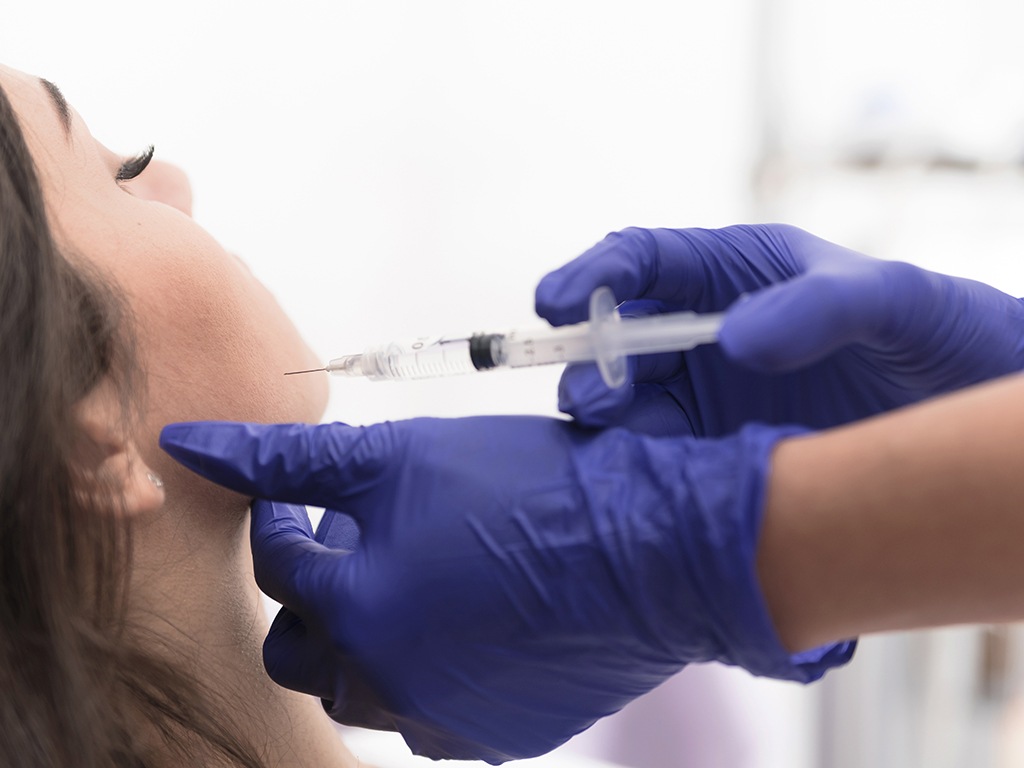
Botox for TMJ Dysfunction: Botox is a neuromodulator derived from the Botulinum Toxin Type A. When injected, it temporarily blocks nerve signals to hyperactive masseter muscles, preventing them from contracting. This helps ease muscle tension, providing noticeable TMJ relief within just a few days. Botox also eases teeth grinding and clenching, helping manage bruxism. The effects of Botox can last for a few months, after which the muscle contractions gradually return.
EMFACE for TMJ Functional Rehabilitation: While Botox interferes with nerve signals to targeted muscles, EMFACE rehabilitates and retrains jaw muscle function. The FDA-approved treatment uses two non-invasive technologies: synchronized radiofrequency (RF) energy and High-Intensity Facial Electrical Stimulation (HIFES). RF improves circulation, tissue quality, and connective tissue support, while HIFES produces supramaximal contractions in the masseter and temporalis muscles far stronger than anything achievable through voluntary movement. This helps repattern how the jaw muscles hold their resting tone, establishing a healthier resting muscle pattern, all with no discomfort or downtime.
Botox vs. EMFACE: Which One Is Right for You?
The right treatment for you will depend on your unique needs and preferences. Botox typically delivers fast results, delivering relief in a week or two. It helps reduce your jaw muscle forces, protecting your teeth and easing joint pressure. However, you will require repeat Botox sessions every three to four months to maintain your treatment results.
EMFACE, on the other hand, works by neuromuscular retraining and rehabilitation rather than simply blocking muscle movement. It is FDA-approved for TMJ dysfunction and bruxism, with results developing progressively and typically persisting beyond the treatment series. Best of all, you will need no injections or downtime.
Botox is often an excellent “bridge” solution for patients who need immediate relief or those whose teeth are at serious risk from grinding forces. For patients wanting a longer-term solution that addresses the muscular dysfunction itself, EMFACE may be a better option. In some cases, a combination approach may provide the best outcome. Dr. Sri will carefully evaluate your jaw function, muscle activity, bite dynamics, and symptoms to create a personalized TMJ treatment plan.
Botox and EMFACE for TMJ Dysfunction Near Me in Reston, VA
If you have been dealing with jaw pain, bruxism, or tension headaches and want to understand your options, contact Ateeth Dental Care to schedule a consultation. Dr. Sri will recommend the ideal solution to address your unique needs. We tailor every TMJ treatment plan to your needs and goals to provide real, lasting relief. We strive to provide you with an experience that goes above and beyond your expectations.
We invite you to call 571-446-4060 or visit us online to book an appointment today!